
Pineapple - A Sustainable Fibre Innovation
PRODUCTS
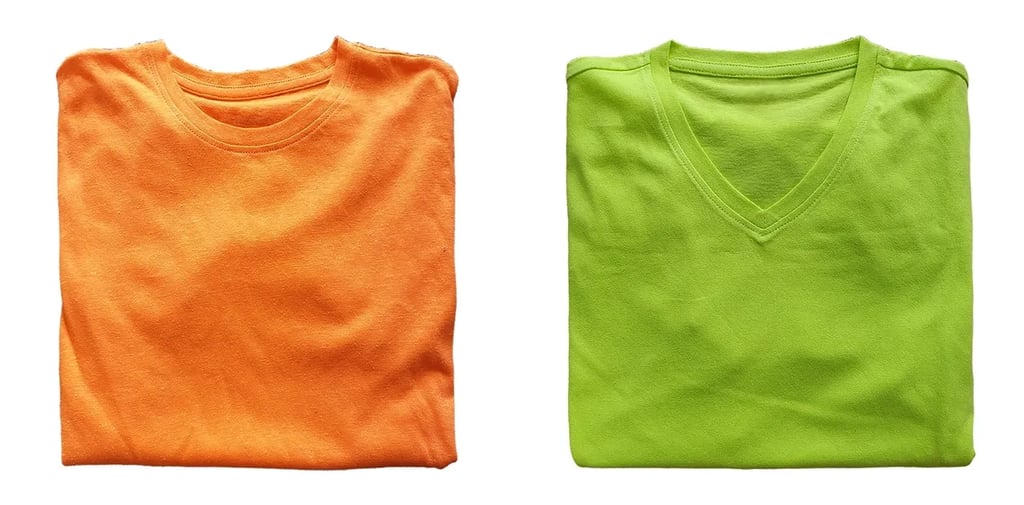
80% CMiA & 20% Pineapple Fibre T-Shirt
CS, in collaboration with local partners and a German retailer, executed the first trial order of 1300 pieces of T-shirts made from CMiA cotton and pineapple fibre blended yarn.
CMiA cotton used in production is from the Central African country "Cameron".
Pineapple fibres are sourced from Madhupur, an Upazila of Tangail District in the Division of Dhaka, Bangladesh.
Raw Materials and Processes
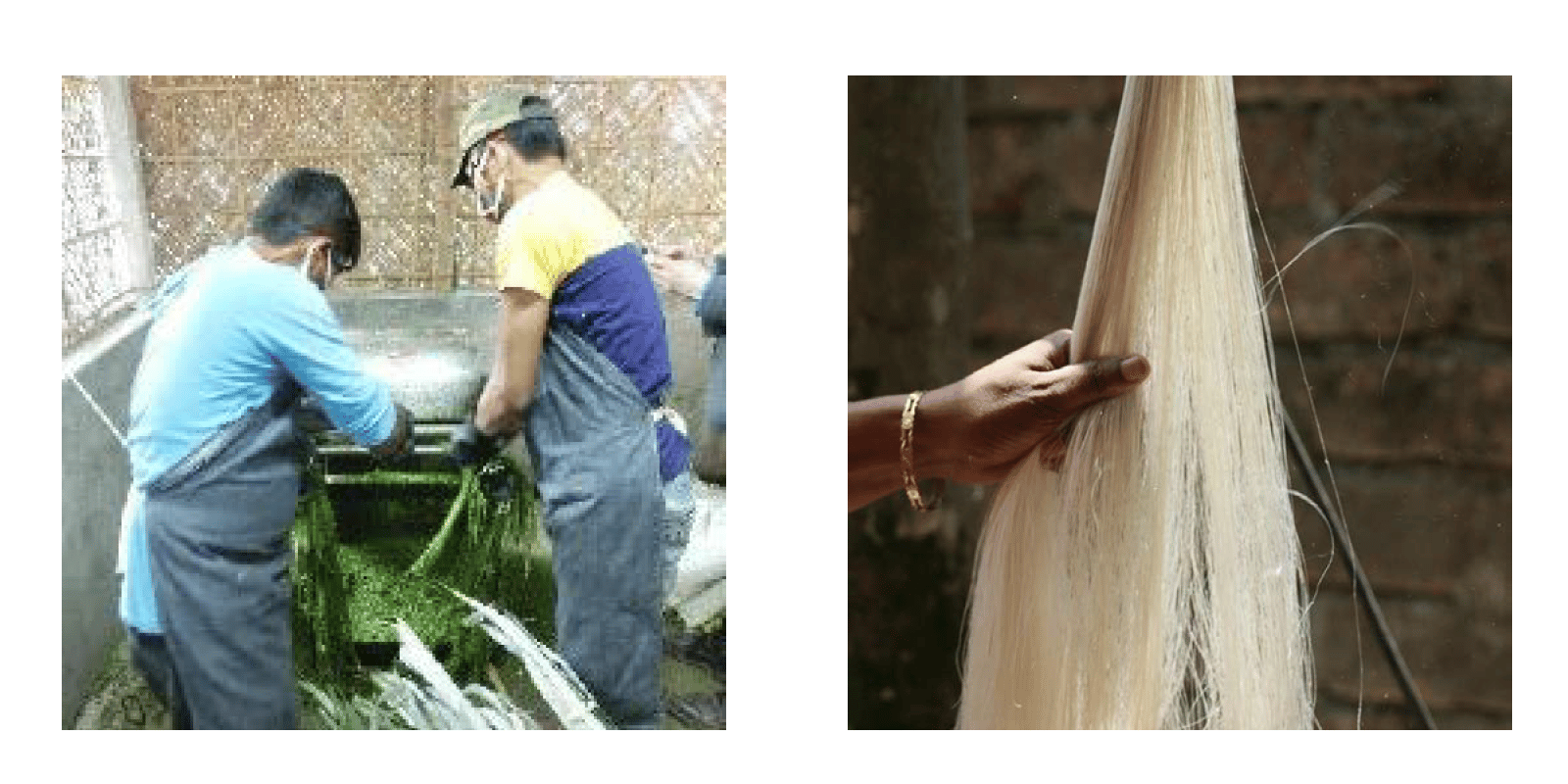
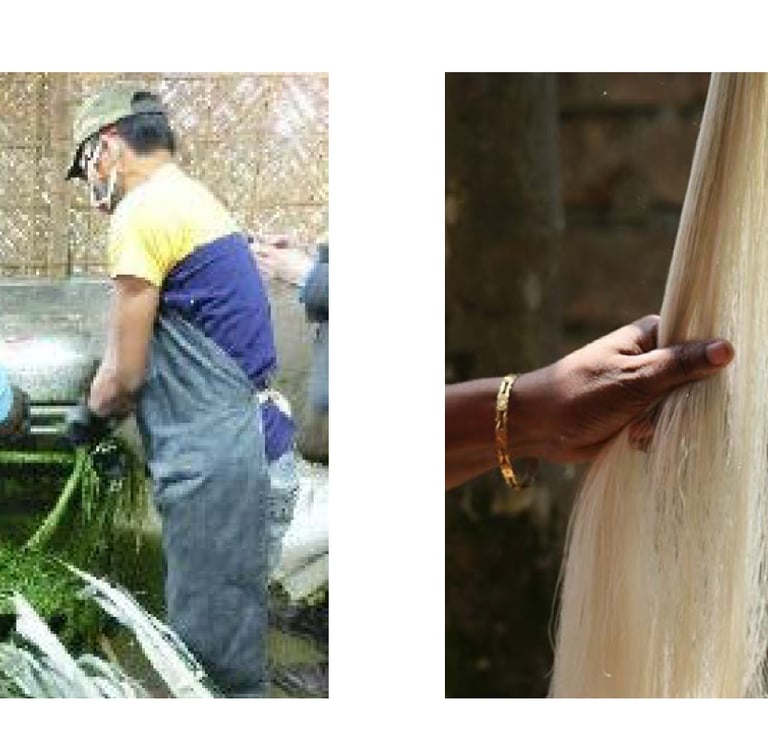
The pineapple fibre process starts by collecting leaves from the gardens and then mechanically extracting the leaves to get the pineapple fibre in the local extraction centre.
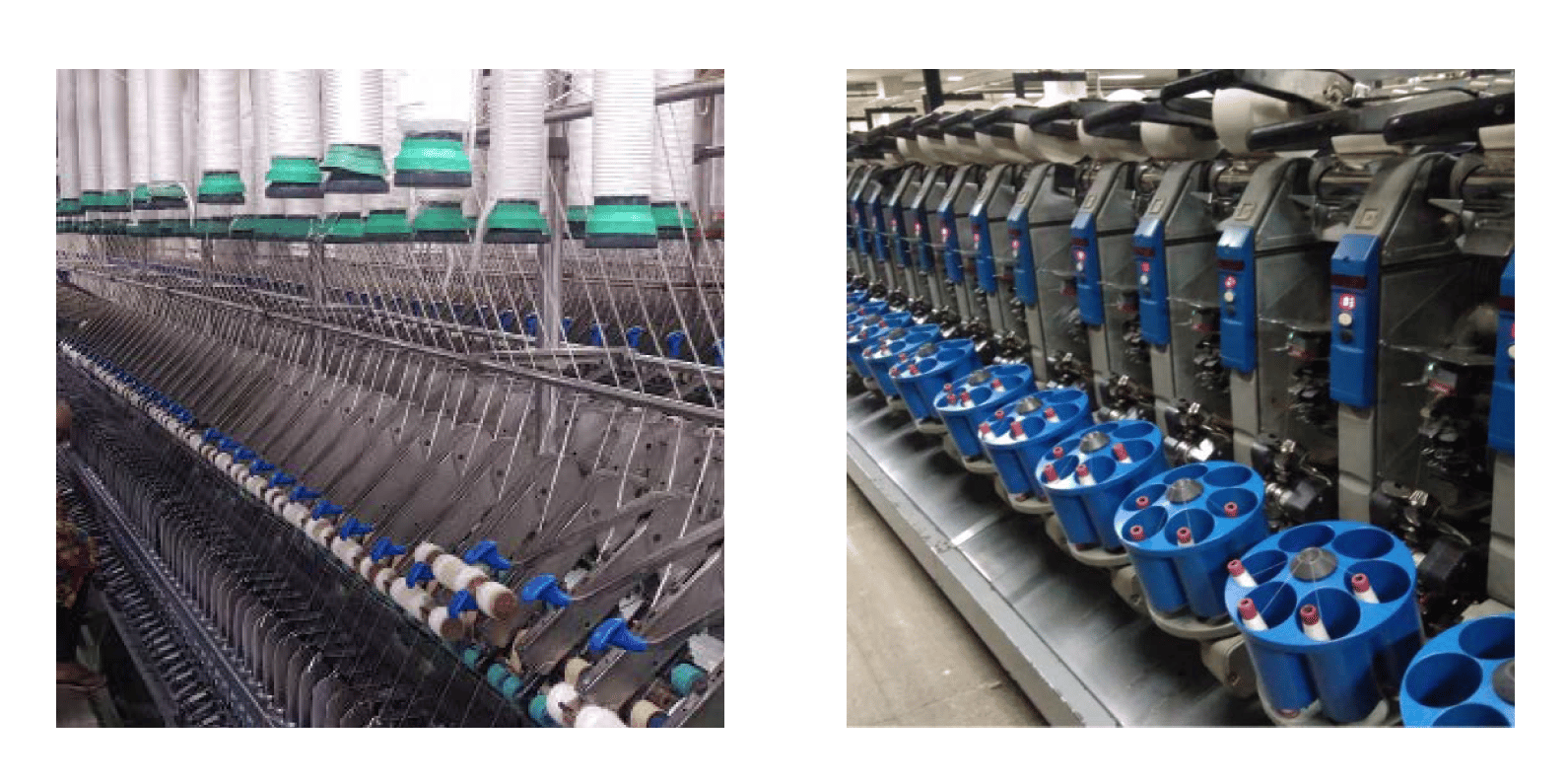
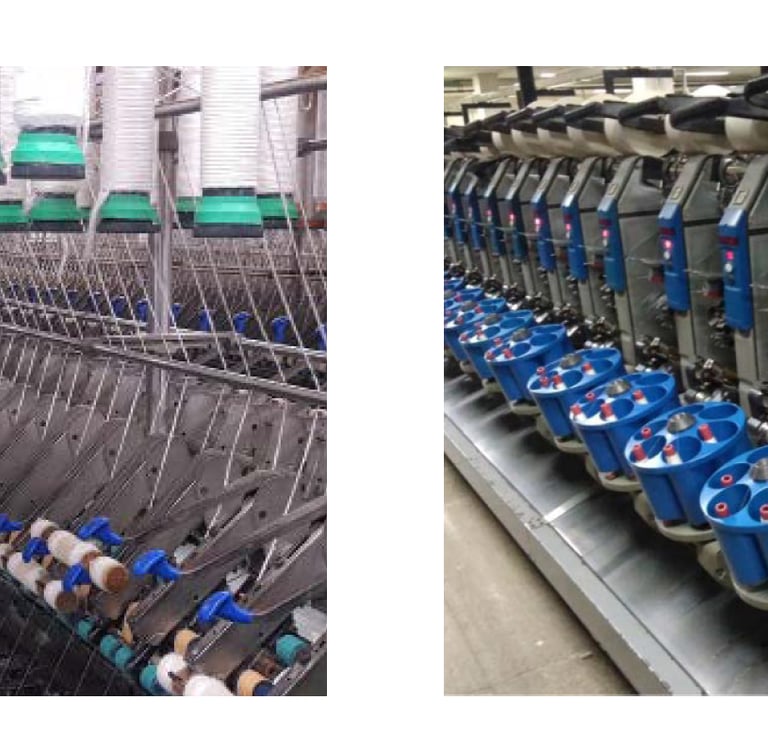
The yarn was made in one of the largest spinning mills in Bangladesh with GRS and GOTS certifications.
The knitting, dyeing and apparel-making are done in a vertically integrated factory located in Gazipur, Bangladesh.


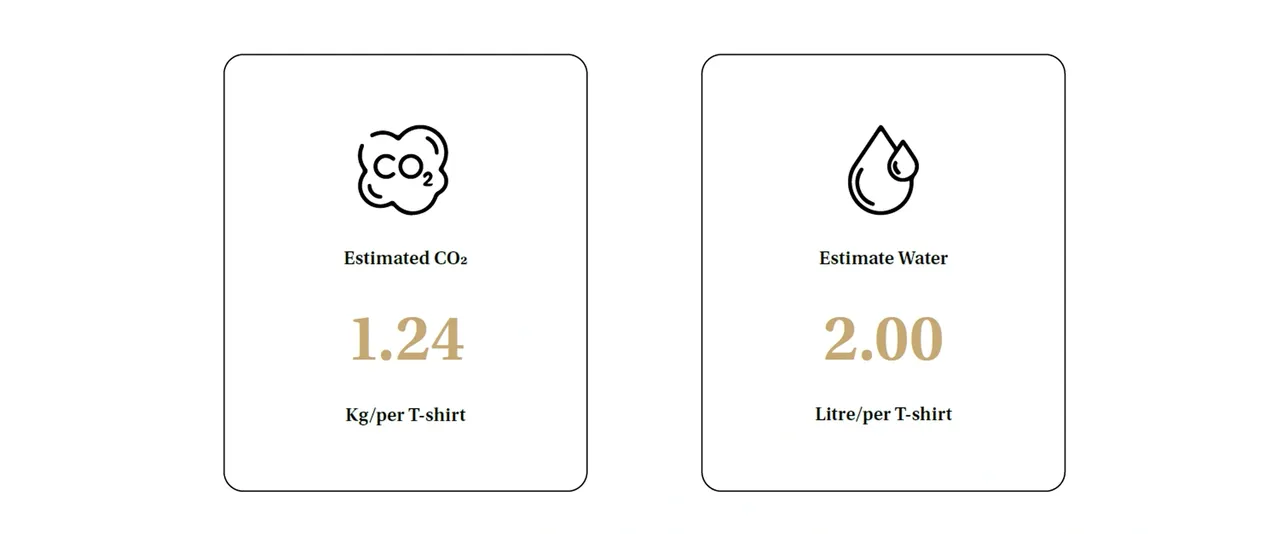
Cotton CO2 and Water Footprint
Transportation by Sea
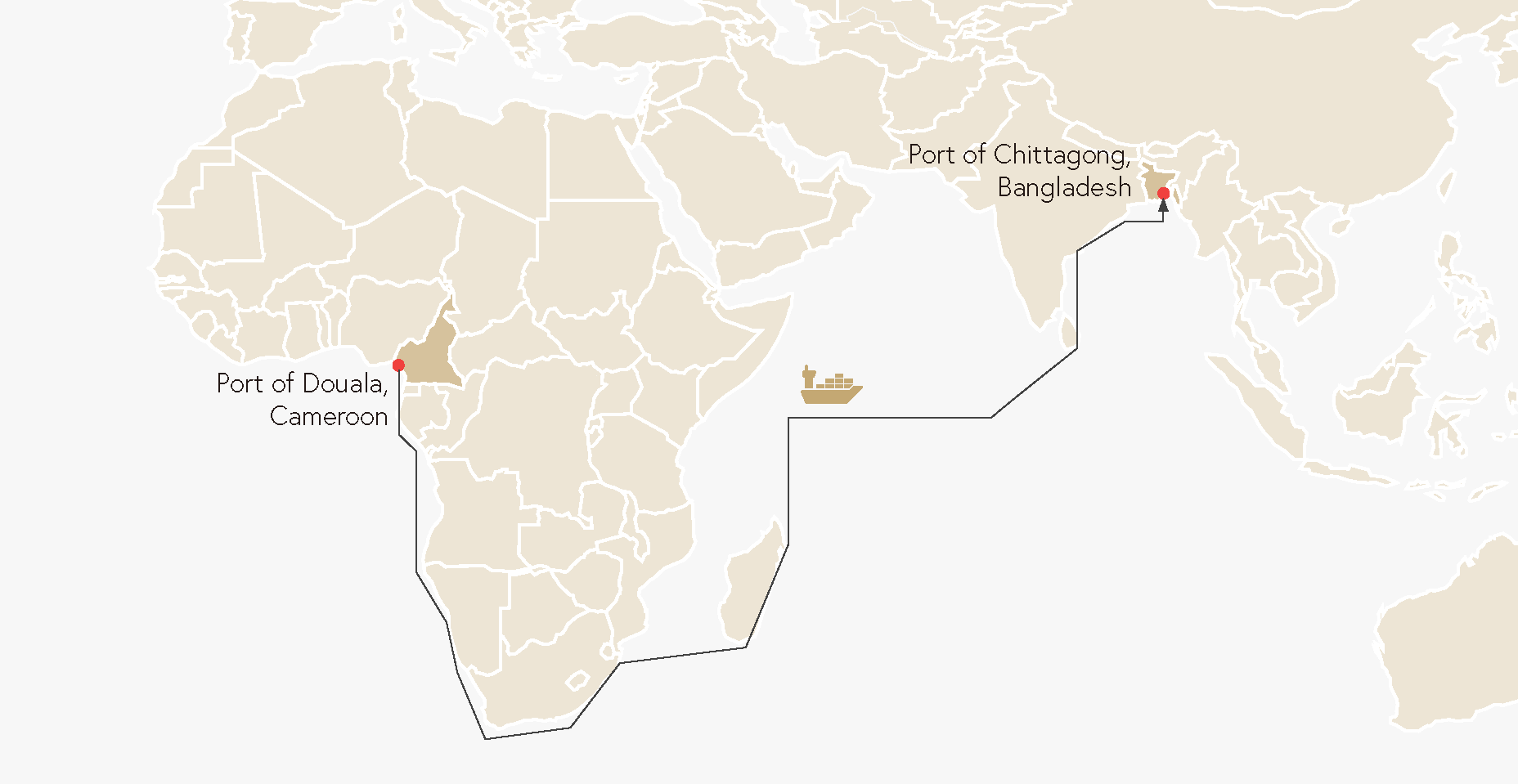
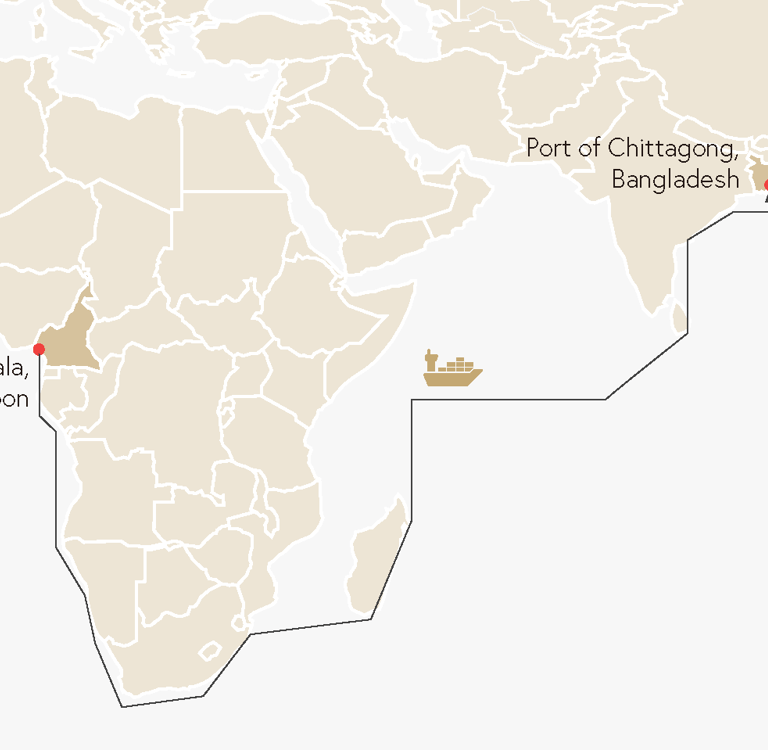
The cotton was shipped from the Port of Douala, Cameroon, to the Port of Chittagong, Bangladesh.
The total distance covered approximately 17438 km.
The estimated CO2 emission for sea transportation is 0.36 Kg/per kg of cotton.
Transportation by Road
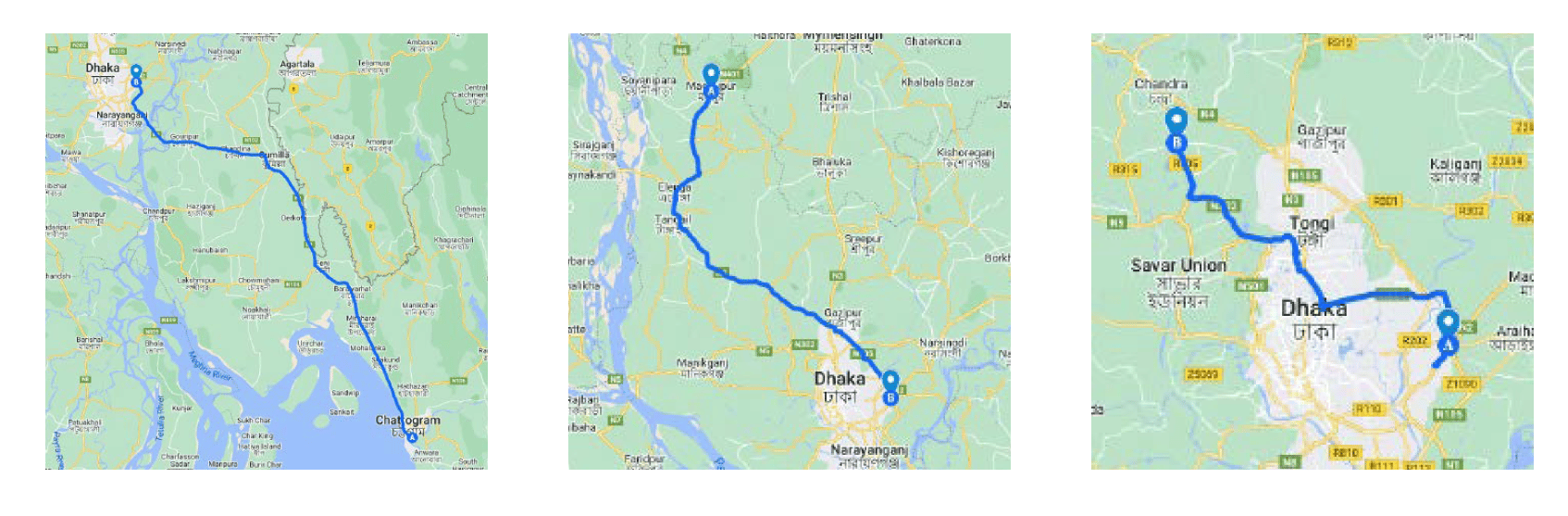
The total distance covered by the truck is approximately 430 km.
The cotton was transported by truck from the Chittagong port to the spinning mill located in Vulta, Narayangonj district. The distance covered approximately 240 km.
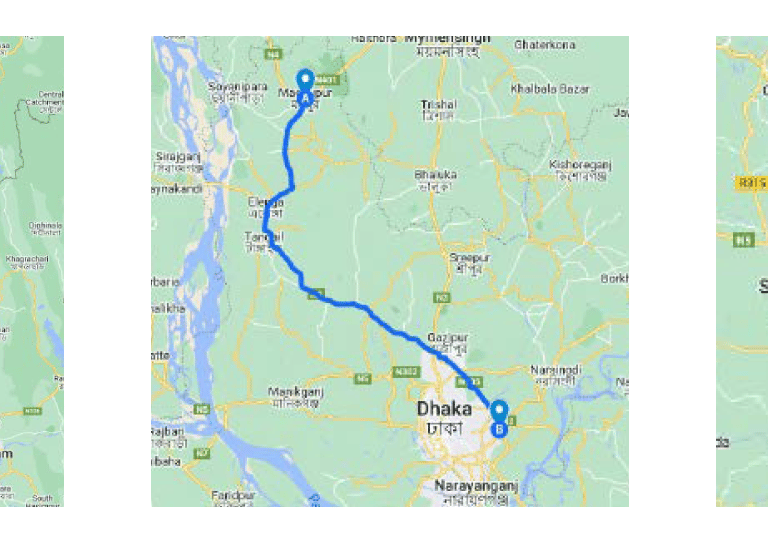
The pineapple fibre was transported by truck from Madhupur to the spinning mill. The distance covered approximately 136 km.
The spinning mills produced yarn blended with 80% CMiA cotton and 20% pineapple fibre. The yarn is shopped by truck to the vertically integrated factory for processing and garment making. The distance covered approximately 54 km.
The estimated CO2 emission for road transportation is 0.10 Kg/per kg of raw material.
01 Fibre Extraction
The extraction process used diesel-run generators to generate electricity.
The estimated CO2 emission is approximately 3.73 kg/per kg of fibre extracted.
02 Spinning
The spinning mill uses natural gas and diesel-run generators to generate electricity.
The estimated CO2 emission is approximately 1.73 kg/per kg of yarn produced.
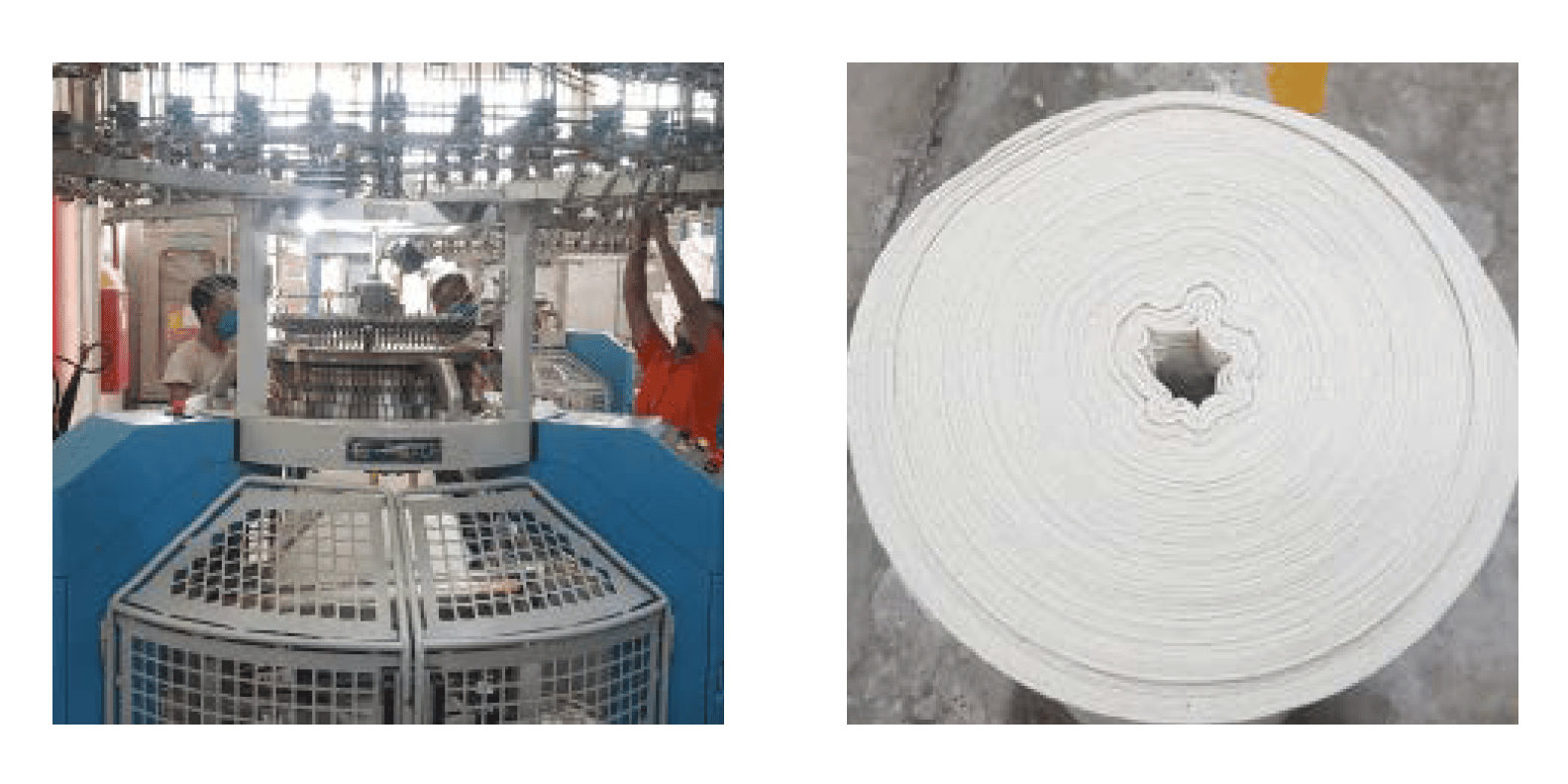
03 Knitting
The vertically integrated factory uses natural gas and diesel-run generators to generate electricity. Also used purchased electricity from the national grid.
The estimated CO2 emission is approximately 0.89 kg/per kg of knit fabric produced.
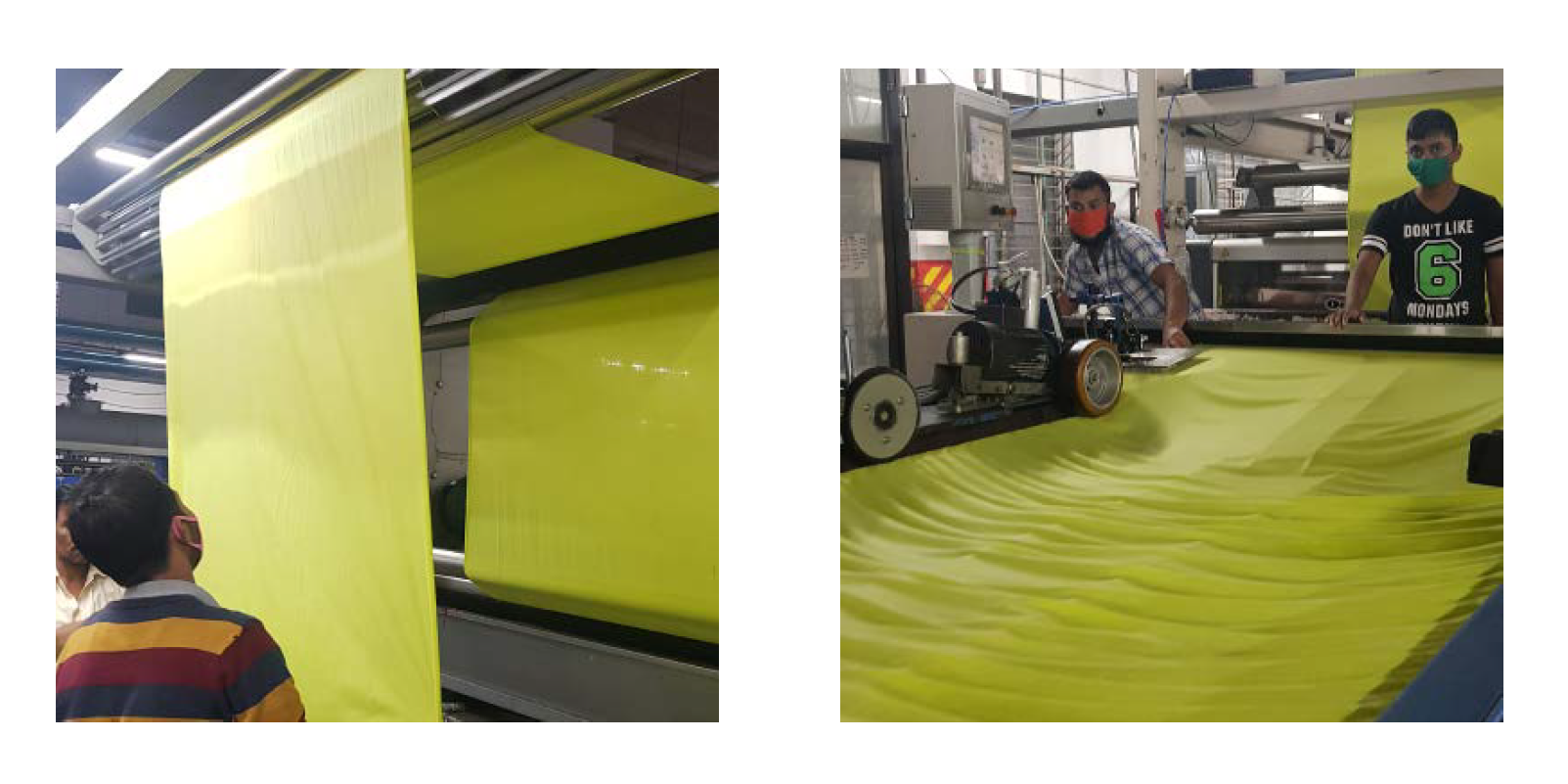
04 Dyeing
The dyeing uses natural gas and diesel-run generators to generate electricity. Also used purchased electricity from the national grid.
The estimated CO2 emission is approximately 3.81 kg/per kg of knit fabric dyed.
The estimated water footprint is approximately 50 litres/per kg of knit fabric dyed.
05 T-shirt
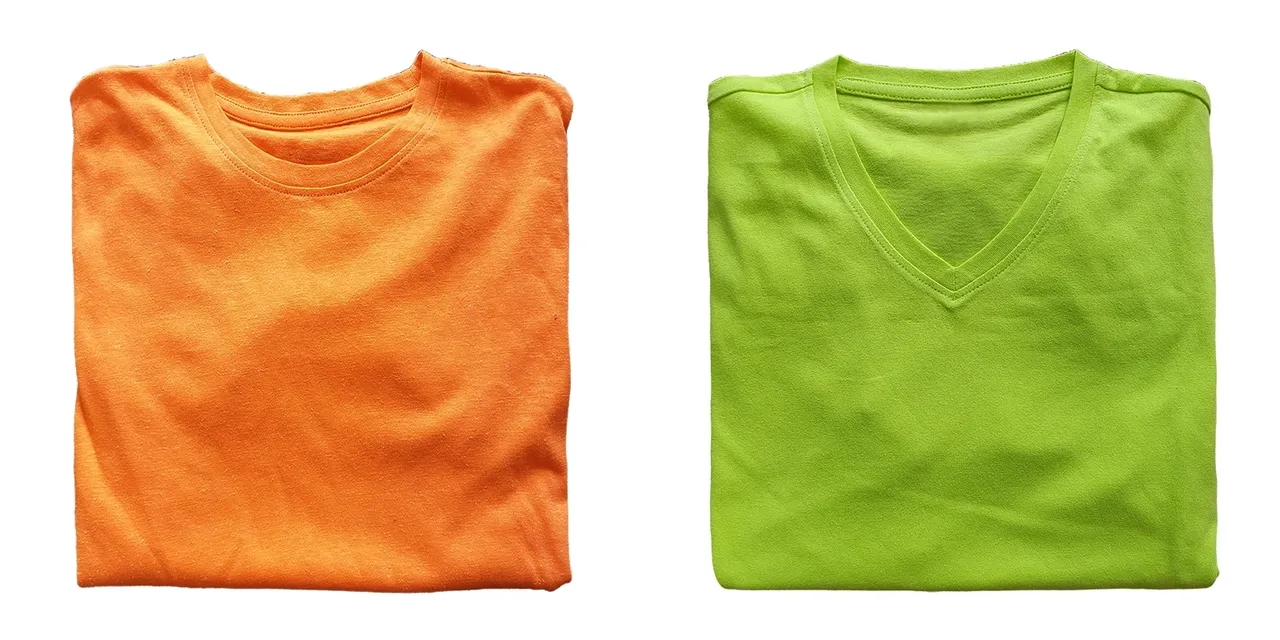
T-shirt: made with 80% CMiA cotton and 20% pineapple fibre.
The vertically integrated factory uses natural gas and diesel-run generators to generate electricity. Also used purchased electricity from the national grid.
The estimated CO2 emission is approximately 2.13 kg/per pc of a T-shirt produced.
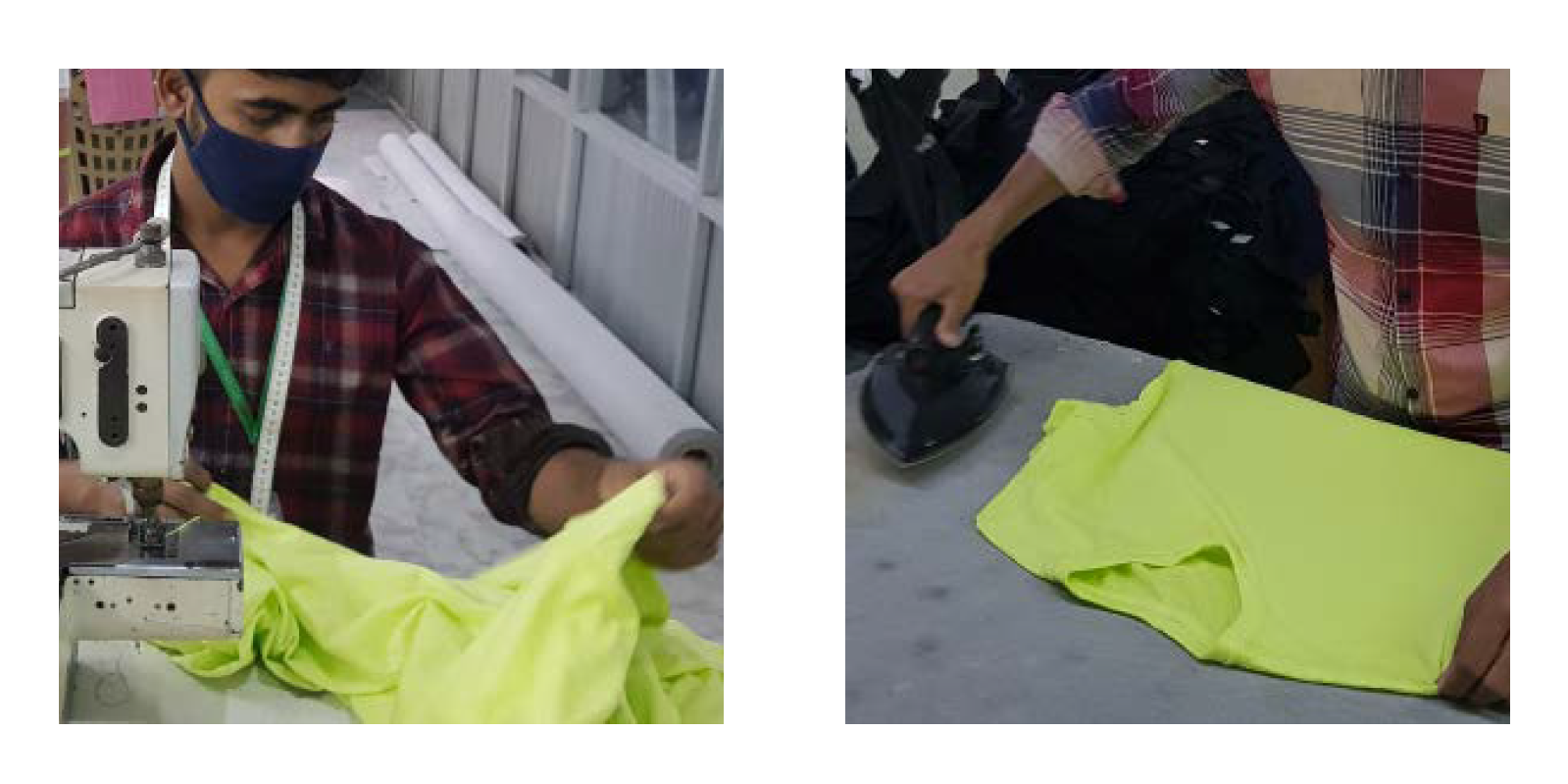
T-shirt: made with 80% CMiA cotton and 20% pineapple fibre.
The vertically integrated factory uses natural gas and diesel-run generators to generate electricity. Also used purchased electricity from the national grid.
The estimated CO2 emission is approximately 2.13 kg/per pc of a T-shirt produced.
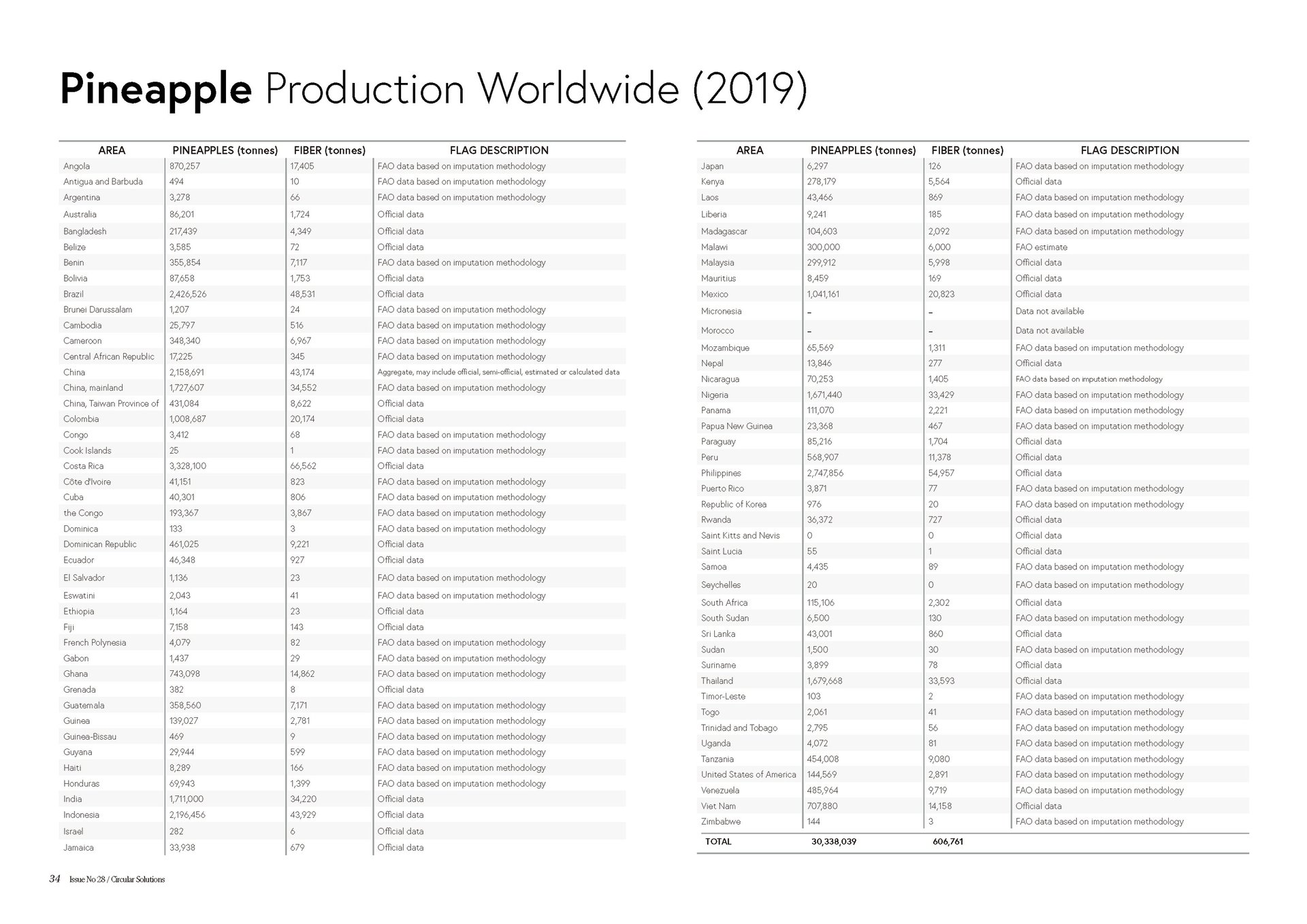
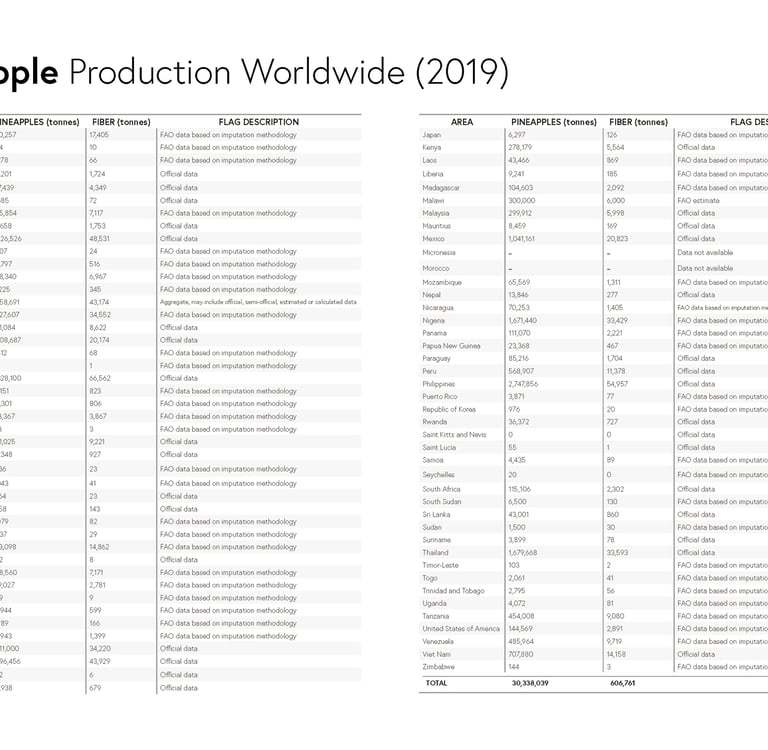
Pineapple Production Worldwide (2019)
Contact
Let's talk about growing your business.
© 2026 Circular Solutions. All rights reserved.